
Geir Kjetil Sandve
I studied computer science at NTNU (Norway), focusing on algorithms and machine learning. During my PhD, I surveyed, benchmarked and developed machine learning methodology for motif discovery in biosequences. For my postdoctoral studies (UiO, Norway), I set out to broaden my understanding of statistics, collaborating with biologists and statisticians to pioneer statistical analysis of genomic co-localization. I have through my career tried to combine deep theoretical considerations with applied relevance, aiming to understand both machine learning and application domains at a depth that allows to creatively generate and intuitively judge the promise of research ideas. Currently, my main focus is on doing my part to help make our research environment fun but productive, brutally honest but supportive, and visionary while delivering on our promise.
Researchers
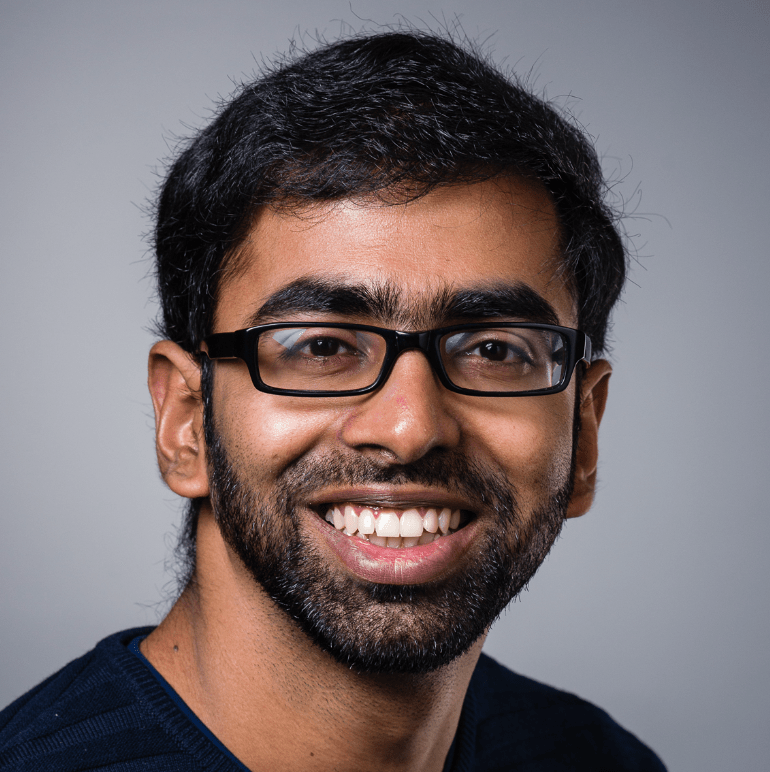
Chakravarthi Kanduri
Chakri’s current research focus is on expediting machine learning-driven solutions for immune-based diagnostics and therapeutics. Simulations, benchmarking, generative models, and crafting artificial worlds (like digital twins) are among his main interests. Previously, during postdoctoral training, he concentrated on methodological aspects to avoid statistical learning pitfalls (and thereby avoid over-optimistic conclusions), especially in “genomics”. Chakri has over a decade of experience in applied data science/bioinformatics projects both within and outside academia. He holds a master’s in Computer Science Engineering (Bioinformatics major) from Aalto University of Technology, Finland, and a Bioinformatics PhD from the University of Helsinki, Finland. Chakri credits colleagues for introducing him to ping-pong and trail running.
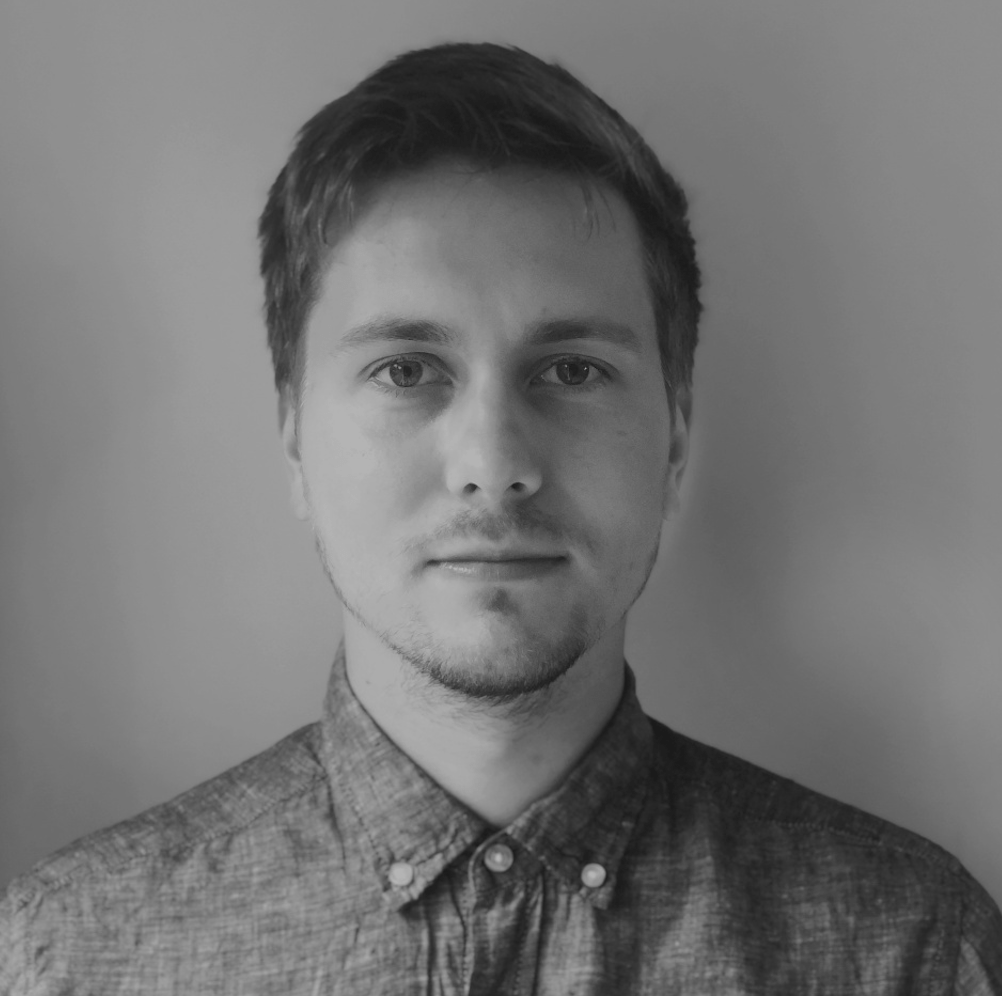
Ivar Grytten
Ivar achieved both his masters degree and PhD degree in the Sandve lab. In his PhD, titled “Graph-based reference genomes – Approaches and Applications”, he studied how graph-based reference genomes can be used to improve common bioinformatics procedures, such as read mapping and ChIP-seq peak calling. He is currently doing his postdoc in similar topics, studying how graph-based reference genomes can be used to analyse the genetic variation in the Cod species. He is also interested in more general bioinformatics topics, such as genotyping, variant-calling and read-mapping. In his free time he likes to fly his drone, play ping-pong, or go for trips in the woods.
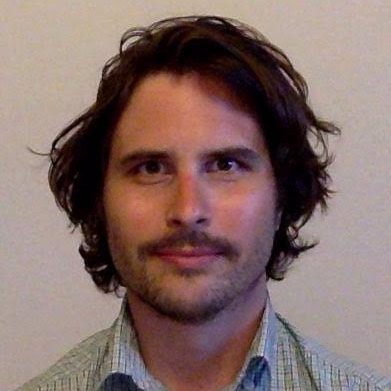
Knut Rand
Knut got his MSc and PhD in bioinformatics (UiO, Oslo) working on game theoretic modeling of cancer and graph based genome representations. He is currently doing his postdoc in machine learning in computational immunology, specifically multiple instance learning in immune repertoire classification. When not training models he likes to run on trails and play music.
Postdoctoral fellows

Milena Pavlović
Milena obtained her BSc and MSc degrees in Computer Science at the University of Nis, Serbia, and completed her PhD in machine learning and computational immunology in the Sandve lab. As a part of her PhD, Milena has developed a platform that would facilitate machine learning method development and applications for immune receptor data such as immune state classification or antigen binding prediction. She is also interested in generalization in ML and causality.
Co-supervised postdoctoral fellows
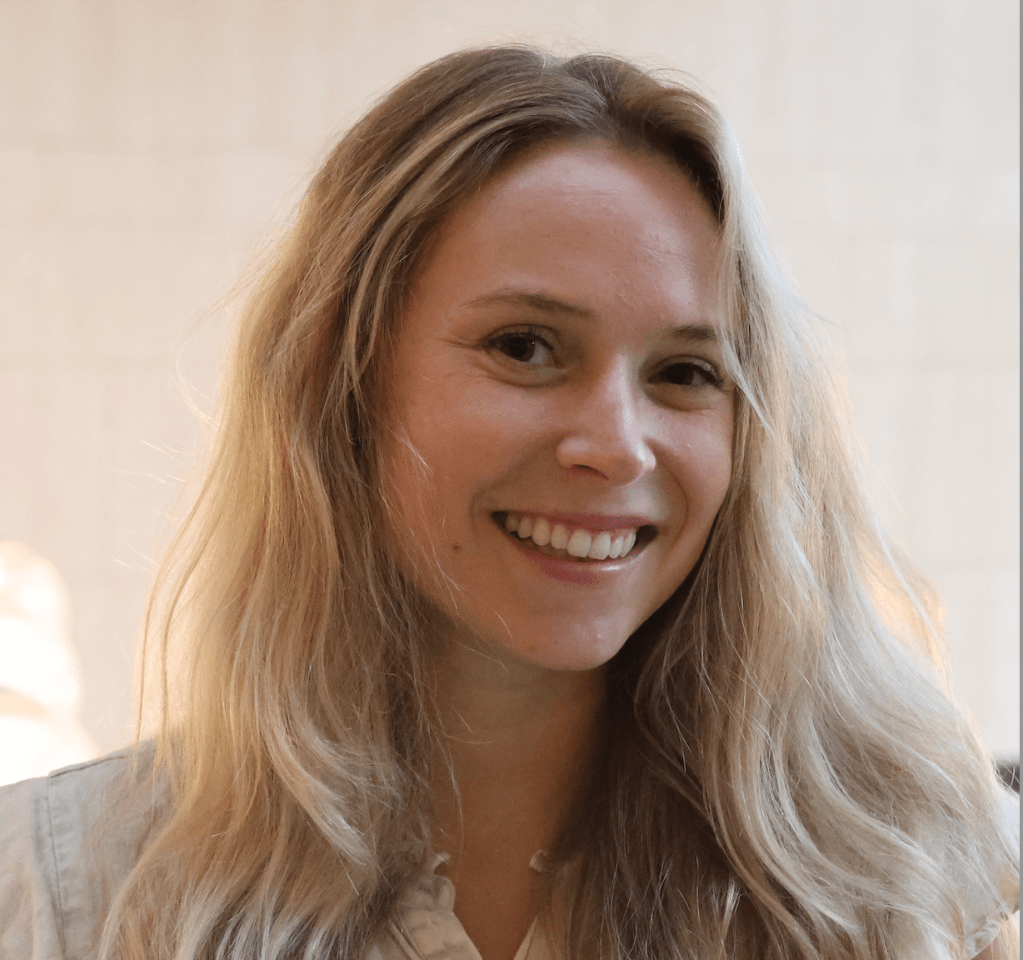
Camilla Lingjærde
Camilla has a BSc in Mathematics and a MSc in Statistics (UiO), and completed her PhD in Biostatistics at the University of Cambridge in 2023. In her thesis, “Joint Network Modelling of Omics Data for Understanding Complex Diseases”, she developed novel Bayesian methodology for integrative modelling of conditional dependencies in extremely high-dimensional data. She is currently a MSCA co-funded Postdoctoral Fellow at the Department of Mathematics at UiO, where she is working on the development of supervised learning methods that, by integrating causal inference principles, exhibit enhanced robustness, particularly in their ability to generalize to new domains.
PhD candidates
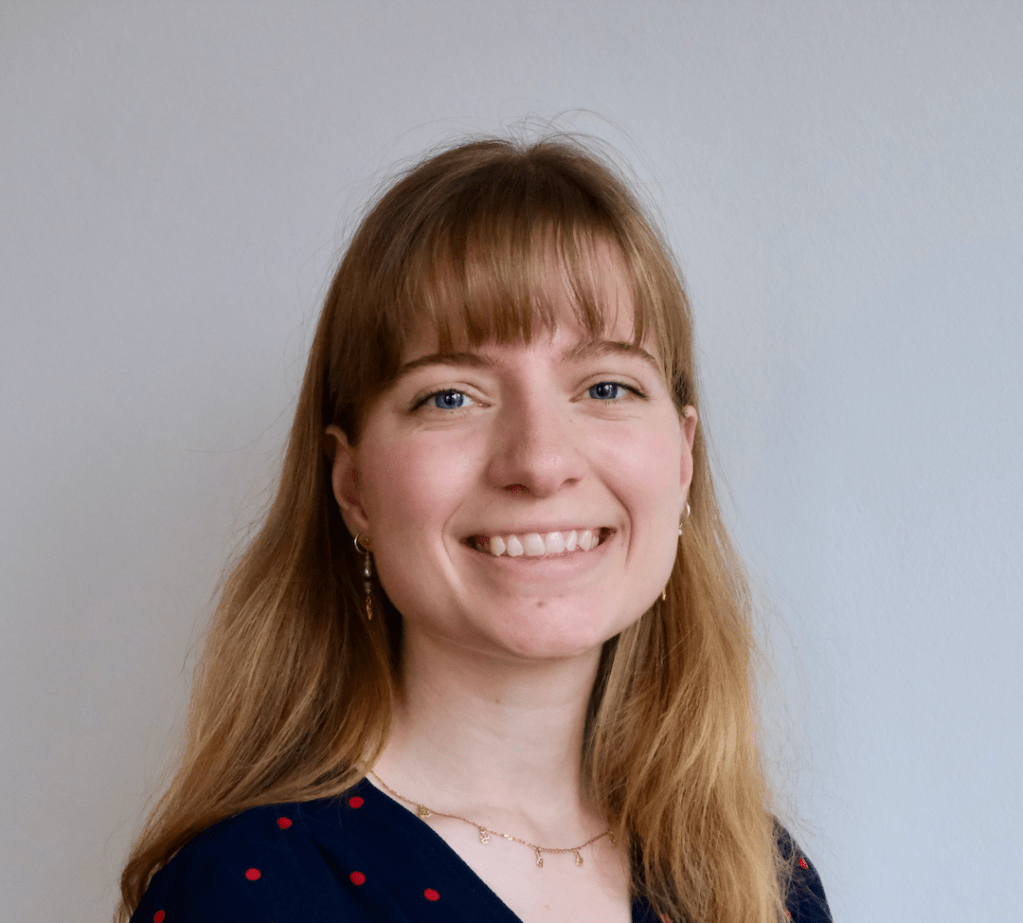
Charlotte Würtzen
Charlotte obtained a BSc and MSc in Bioinformatics and Systems Biology from the Technical University of Denmark. She is now doing a PhD in computational immunology (co-supervised by Bjoern Peters), where she will be working with generative machine learning and analysing the distributions in adaptive immune receptor sequences. In her free time, Charlotte enjoys knitting, doing ceramics, and Salsa dancing!
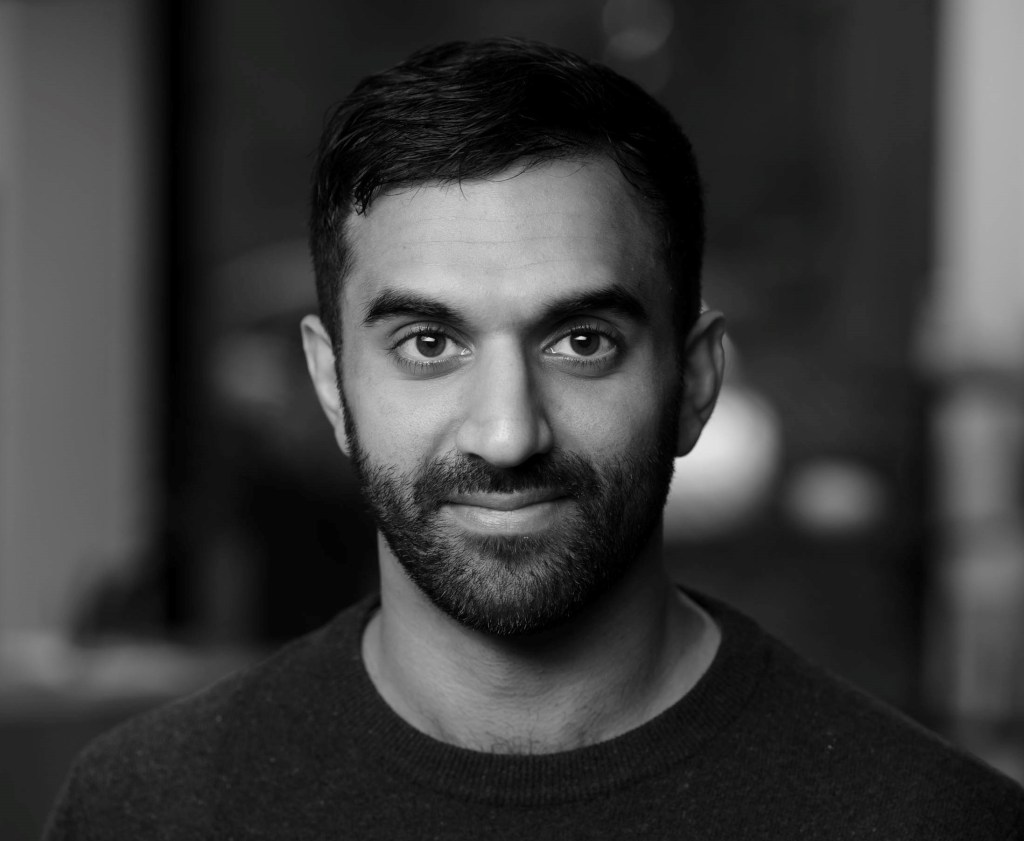
Dara Goldar
Dara earned his MSc in Technical Physics from NTNU in Norway, specializing in simulating quantum phenomena in semiconductors. He has experience as a data consultant and currently works at Fremtind Forsikring with anti-money laundering. In addition to his role at Fremtind, Dara is pursuing an industrial PhD at SandveLab, where he applies machine learning to combat financial crime. His research is supervised by Professor Geir Kjetil Sandve and co-supervised by Professor Petter Gottschalk at BI Norwegian Business School.
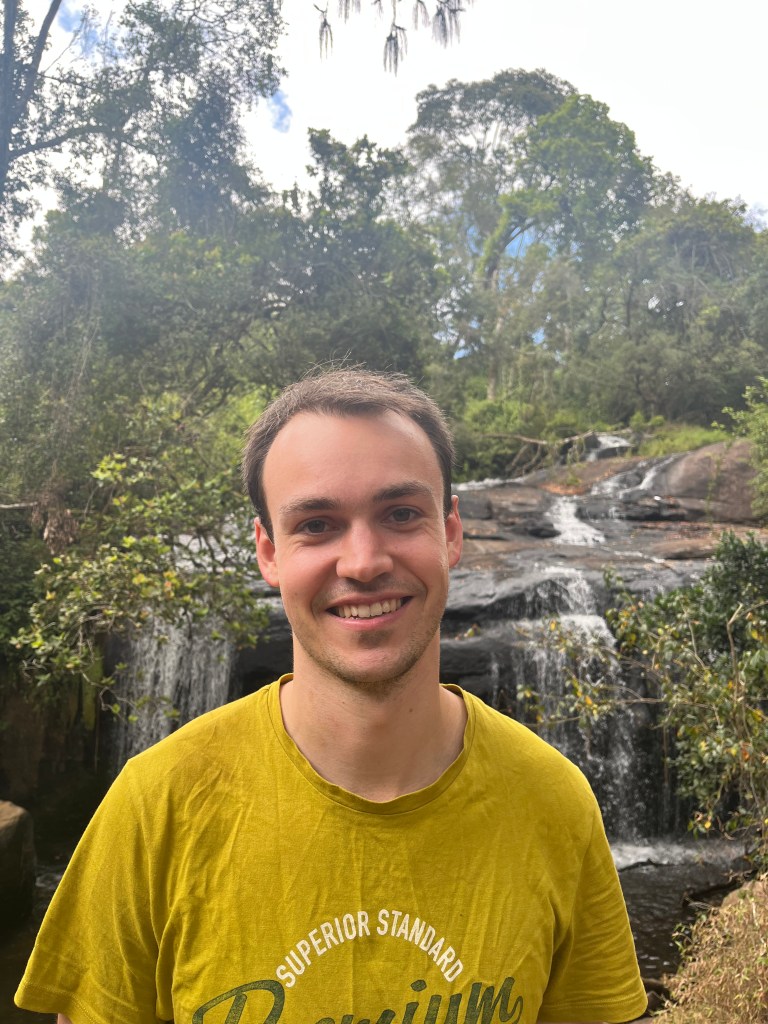
Halvard Emil Sand-Larsen
Halvard got his integrated master’s in Applied Physics and Mathematics from the Norwegian University of Science and Technology – NTNU. The master thesis focused on Bayesian statistics, specifically comparing different spatial neighbourhood structures for Gaussian Markov random fields in Bayesian hierarchical models, using mortality data from Spain. His current PhD project explores temporal prediction modelling for malaria and dengue, mainly in LMICs, and is supervised by Professor Geir Kjetil Sandve. His work is closely related to the climate project at the HISP Centre, which directly collaborates with many LMICs through DHIS2 and Chap. In his spare time, he enjoys playing football, cross-country skiing, reading books and hanging out with friends.
Co-supervised PhD candidates
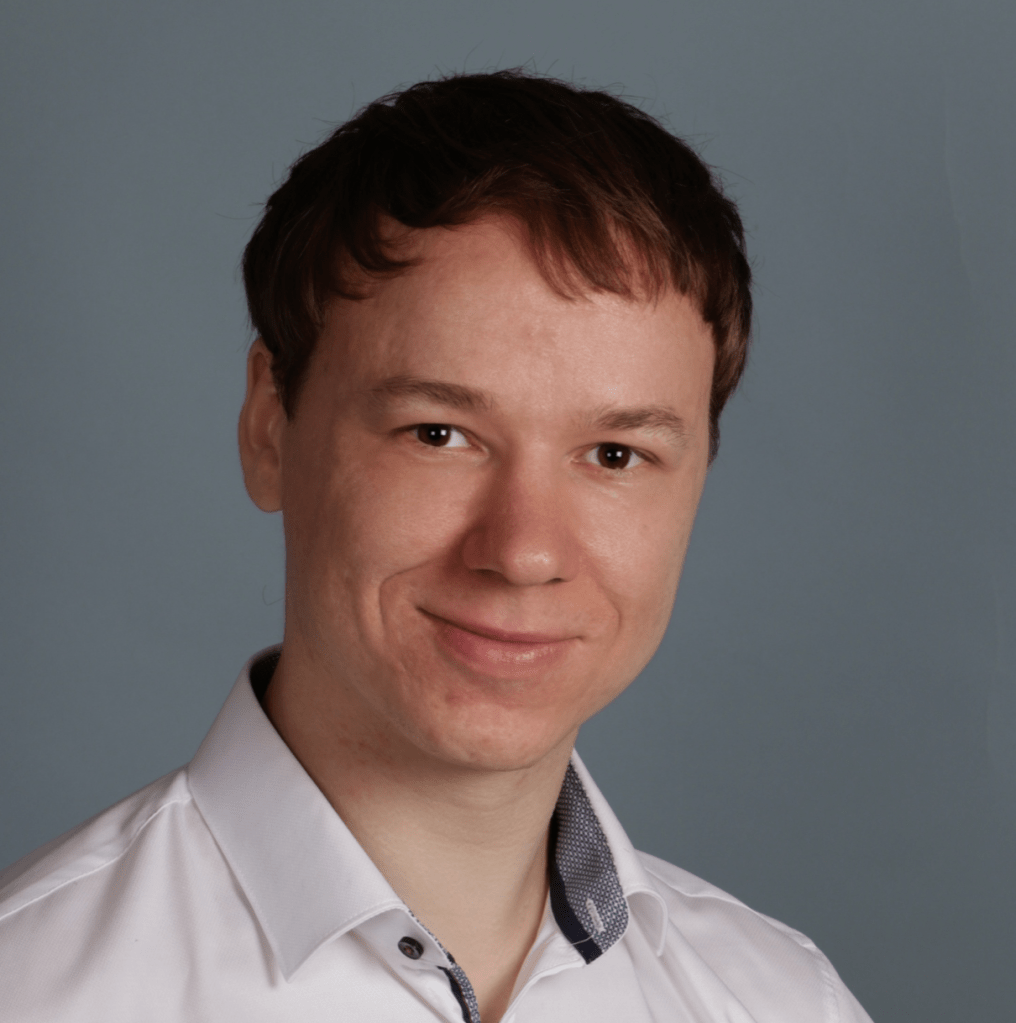
Robert Frank
Robert is a PhD student in computational immunology supervised by Victor Greiff and Geir Kjetil Sandve. He obtained his Master Degree in Computer Science in Germany (FSU-Jena) with a focus on machine learning and statistics. His PhD-Topic is about predicting antibody-antigen binding with machine learning. In his free time, he practices sword fencing, hiking, fitness stuff and learning new things.

Sumana Kalyanasundaram
PhD student at UiO: Department of Informatics, co-supervised together with Eivind Hovig.

Maria Mamica
Maria holds BSc and MSc degrees in Computer Science from AGH University of Science and Technology in Krakow, Poland. Her Master’s specialization focused on Systems Modelling and Intelligent Data Analysis. Prior to joining Sandve Lab, she was developing Software Engineering skills in private sector, including work in Microsoft and Goldman Sachs. At the moment, she’s doing PhD under main supervision of Chakravarthi Kanduri within RealArt convergence environment. In her free time she enjoys trying various sports, practicing yoga and singing.

Karl Henrik Fredly
Karl Henrik got his MSc degree in computational physics as the University of Oslo studying many-body quantum systems and machine learning. He is currently pursuing a PhD in physics education research at the Center for Computing in Science Education at UiO. His current project is on how physics students learn programming at the graduate level, and what programming practices are and should be used at this level.

Jahn Zhong
Jahn graduated from the Integrated Immunology Master’s program at the Friedrich-Alexander-University in Erlangen, Germany. Driven by curiosity he is now at Victor Greiff’s lab exploring combinatorial spaces and resolving error messages while (re-)learning interesting mathematical concepts he never thought he’d need (again). In his free time he likes to play chess, listen to audio books, nerd out about coffee or cook some delicious food.
 Sandve Lab